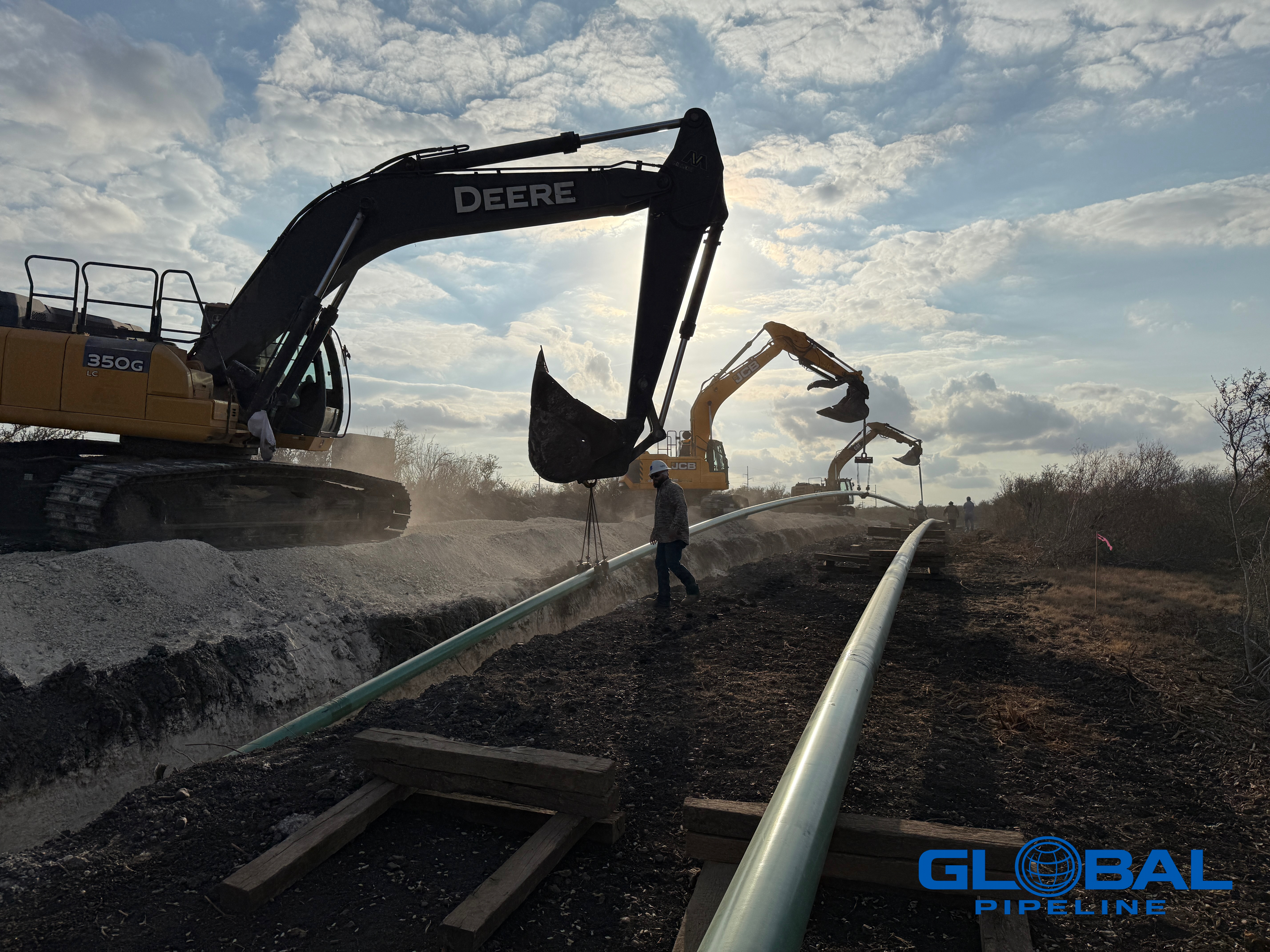
Cross-Border Pipeline Projects: Strategies for Effective Collaboration Apr 28, 2026
In the initial stages of any cross-border pipeline endeavor, understanding the regulatory environment is crucial. Each country involved in a pipeline project has its own set of laws and regulations governing construction, environmental protection, and labor practices. It is essential to have a thorough knowledge of these requirements to streamline the approval process. Collaborating with local regulatory bodies can be a critical strategy to navigate these complexities. Building strong relationships with these entities not only helps in compliance but also paves the way for smoother operations.
Cultural sensitivity is another important factor in cross-border pipeline projects. Countries differ in their business etiquette and negotiation practices, making it necessary for companies like Global Pipeline to adapt to local cultures. Employing local expertise and involving community stakeholders in the project can lead to a more harmonious work environment. This approach not only smoothes project execution but also builds a positive reputation and fosters goodwill with local communities.
Technical compatibility and standardized practices are essential strategies for successful collaboration in cross-border projects. Different nations may have varying engineering standards and technologies. Therefore, aligning technical specifications and ensuring interoperability is critical. Conducting joint workshops and training sessions is one way to address these challenges, allowing all parties involved to speak the same technical language and work towards common goals.
Financial considerations are also a significant concern in cross-border pipeline projects. Coordinating financial strategies between different countries can be complex, considering factors such as currency exchange rates, differing tax codes, and varying levels of financial risk. Establishing clear, transparent financial agreements is vital to managing these risks. Joint financing programs and clear contracts help ensure that all parties are aligned and aware of their financial commitments.
Communication plays a pivotal role in the success of cross-border pipeline projects. Regular interaction between all stakeholders—ranging from government officials to construction crews—is necessary to maintain the flow of information and address any issues as they arise. Setting up robust communication channels with scheduled updates and meetings helps keep the project on track. Shared project management platforms can also assist in coordinating activities and documenting progress in real time.
In conclusion, the effective collaboration in cross-border pipeline projects hinges on a multi-faceted approach that includes understanding regulatory environments, recognizing cultural nuances, aligning technical standards, setting financial terms, and ensuring open communication. For Global Pipeline, leveraging these strategies not only aids in overcoming the inherent challenges but also maximizes the potential for project success. By adopting these practices, companies can create partnerships that are resilient, sustainable, and beneficial for all parties involved. These strategies pave the way for efficient project completion and contribute positively to the global energy infrastructure, helping meet the increasing demand for energy resources in a reliable and responsible manner.
/filters:no_upscale()/filters:format(webp)/media/b032620a-0eec-4d5f-980b-29342db66d5b.jpeg)
/filters:no_upscale()/filters:format(webp)/media/862764d9-e633-456a-bcbb-18847c69cbb4.png)