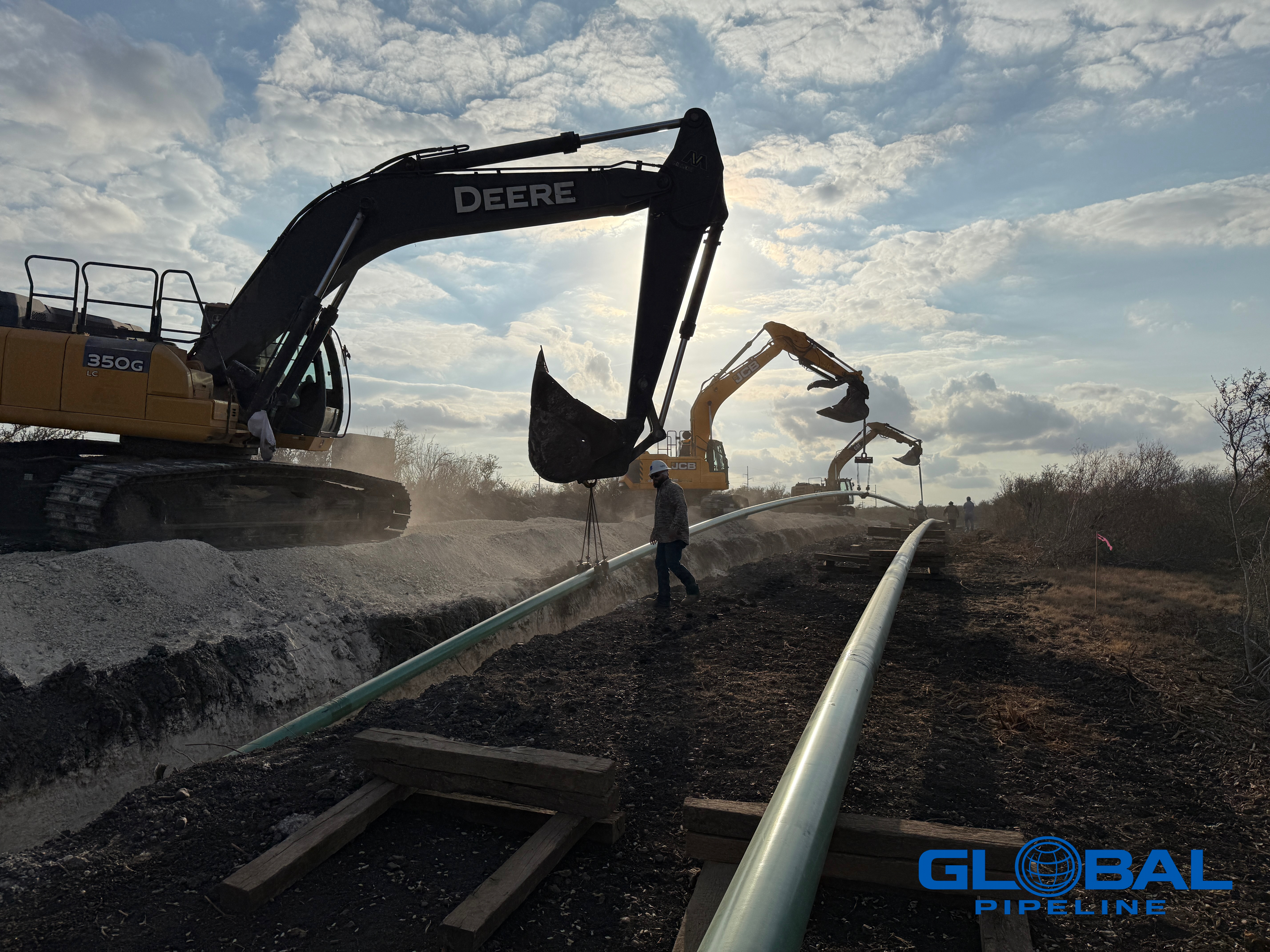
Emerging Markets: Opportunities and Challenges for Pipeline Expansion May 11, 2026
Emerging markets are regions experiencing rapid industrialization and economic growth, and they are vital in the global pipeline industry for several reasons. Firstly, these markets are characterized by increasing energy demands. Countries in Africa, Latin America, and parts of Asia are witnessing an exponential rise in urbanization and industrial activities, leading to a surge in energy requirements. This creates a golden opportunity for pipeline companies to expand their networks and services. By establishing a presence in these growing economies, companies like Global Pipeline can tap into new customer bases hungry for reliable energy solutions.
However, expanding pipeline infrastructure in emerging markets comes with its set of challenges. One primary concern is the regulatory environment. Many emerging economies have complex bureaucratic procedures, often coupled with inconsistent policies and corruption that can slow down project approvals and implementation. To navigate these regulatory hurdles, companies must engage with local governments, build relationships, and stay informed about policy changes to ensure compliance and smooth operation.
Another significant challenge is the geographical and environmental variability present in emerging markets. Diverse terrains, such as the dense forests of South America or the arid deserts of the Middle East, require specific technical solutions and expertise. Companies must invest in robust planning and advanced technology to construct pipelines that can withstand these challenging environments. Global Pipeline is at the forefront of employing cutting-edge technology that ensures the safety and durability of pipeline networks in diverse conditions.
Furthermore, political instability can pose risks to pipeline operations in certain regions. Political fluctuations can affect currency stability, lead to regulatory changes, and sometimes result in operational halts. To mitigate these risks, companies need to conduct thorough risk assessments and develop contingency plans that allow flexibility in operations. Building strategic alliances with local businesses and stakeholders can also bolster stability and reduce the impact of political uncertainty.
While these challenges appear daunting, they are not insurmountable. With strategic planning and a commitment to understanding local nuances, companies can successfully expand their pipeline operations in emerging markets. Importantly, investing in local communities not only ensures the smooth progress of pipeline projects but also fosters goodwill and strengthens corporate reputation.
In conclusion, while emerging markets offer vast opportunities for pipeline expansion, they also present unique challenges that require careful navigation. Companies like Global Pipeline that are ready to invest in technology, build government relationships, and understand cultural dynamics are best positioned to succeed. By addressing these challenges head-on, Global Pipeline not only expands its reach but also contributes to the sustainable development of energy infrastructure worldwide. As these markets continue to evolve, the potentials in the pipeline industry are limitless, paving the way for a more connected and energy-secure future.
For those with a stake in this industry segment, understanding the balance of risks and rewards in emerging markets will be pivotal in shaping the strategies of tomorrow.
/filters:no_upscale()/filters:format(webp)/media/b032620a-0eec-4d5f-980b-29342db66d5b.jpeg)
/filters:no_upscale()/filters:format(webp)/media/862764d9-e633-456a-bcbb-18847c69cbb4.png)