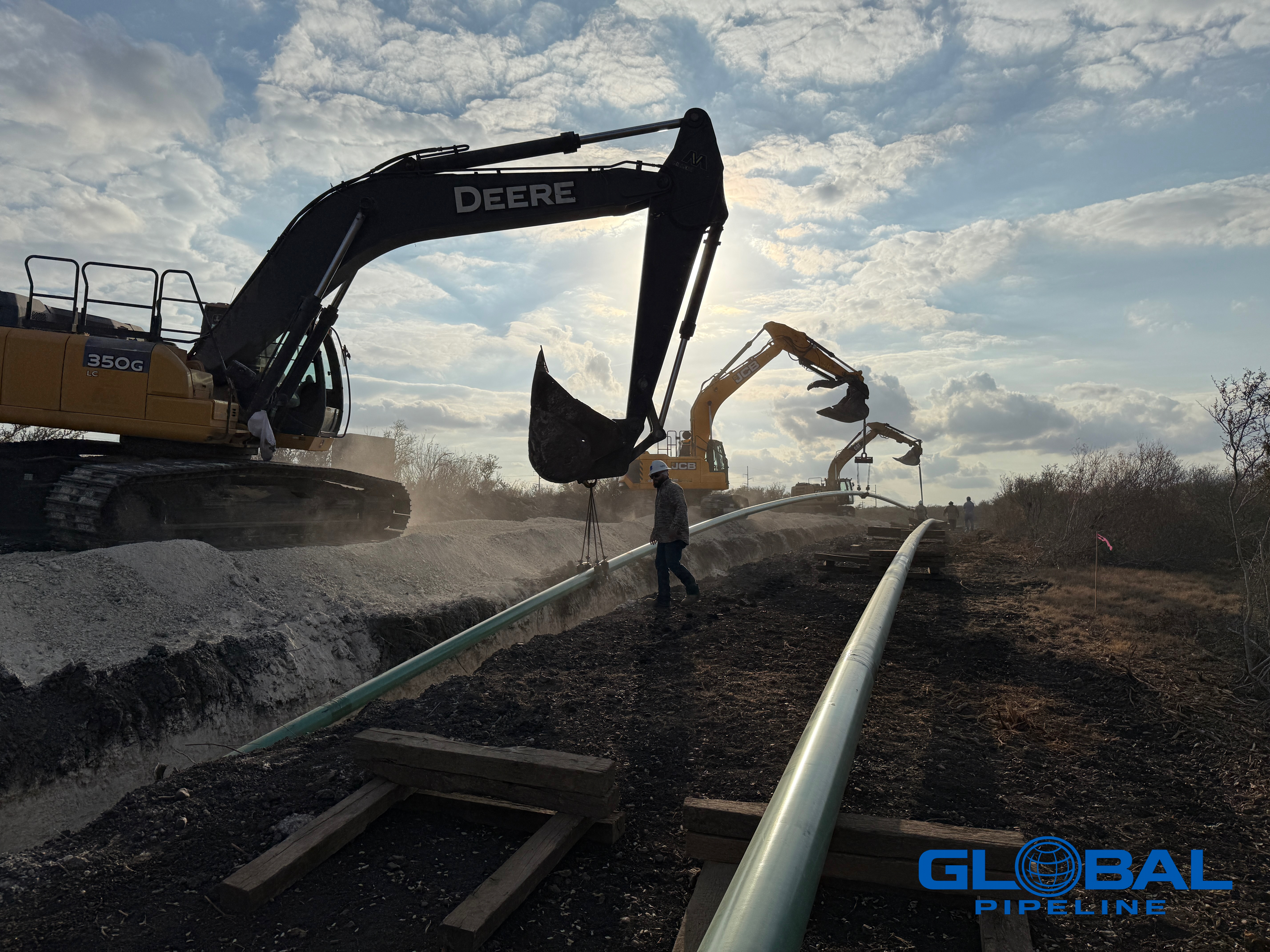
Enhancing Reliability in Global Pipeline Networks through Technological Integration May 22, 2026
In recent years, technology has revolutionized the pipeline services industry, offering new ways to enhance both the reliability and safety of these systems. One of the most significant advancements has been in the form of Internet of Things (IoT) applications. By equipping pipelines with smart sensors, companies can monitor conditions in real-time. These sensors gather critical data, including pressure, temperature, and flow rates, which can predict and prevent potential failures. This data-driven approach allows for proactive maintenance strategies, significantly reducing the risk of leaks or ruptures.
Another key technological advancement is in the realm of remote monitoring systems. These systems allow operators to oversee pipeline operations from any location, reducing the need for onsite personnel and minimizing human error. With the integration of advanced analytics, remote monitoring systems can quickly identify abnormal patterns that suggest pipeline issues. This capability ensures rapid response to potential problems, enhancing the overall safety and efficiency of the pipeline network.
The implementation of advanced computing technologies, such as artificial intelligence (AI) and machine learning, also plays a crucial role in pipeline management. These technologies analyze vast datasets to identify trends and anomalies that human operators may miss. AI-driven solutions offer predictive analytics that anticipate system failures before they occur, saving both time and costly repairs. This predictive capability not only ensures the continuity of resource delivery but also extends the lifespan of the infrastructure.
In addition to AI, blockchain technology is being explored to enhance the security of pipeline operations. The transparency and integrity offered by blockchain systems ensure that the recorded data remains secure and tamper-proof. This technology can streamline operations and enhance trust among stakeholders by providing an immutable record of all transactions and maintenance activities associated with the pipeline.
While these technological advancements have significantly improved the reliability of global pipeline networks, the human element remains crucial. The expertise of companies like Global Pipeline combines innovative technology with skilled professionals to offer comprehensive inspection and maintenance services. Their ability to adapt to technological changes while maintaining a focus on safety and efficiency sets them apart in the industry.
Training and development play a critical role in aligning workforce skills with technological advancements. As technology evolves, Global Pipeline ensures its teams are equipped with the latest knowledge to leverage tools and innovations effectively. This commitment to ongoing learning and development guarantees that pipeline services remain at the cutting edge of technology and efficiency.
In conclusion, enhancing the reliability of global pipeline networks through technological integration not only addresses modern challenges but also sets a solid foundation for future advancements. Companies like Global Pipeline lead the way by combining state-of-the-art technology with industry expertise to ensure safe and efficient operations. By embracing technology, pipeline services can continue to provide vital resources to the global economy, securing a sustainable and reliable future for all.
/filters:no_upscale()/filters:format(webp)/media/b032620a-0eec-4d5f-980b-29342db66d5b.jpeg)
/filters:no_upscale()/filters:format(webp)/media/862764d9-e633-456a-bcbb-18847c69cbb4.png)