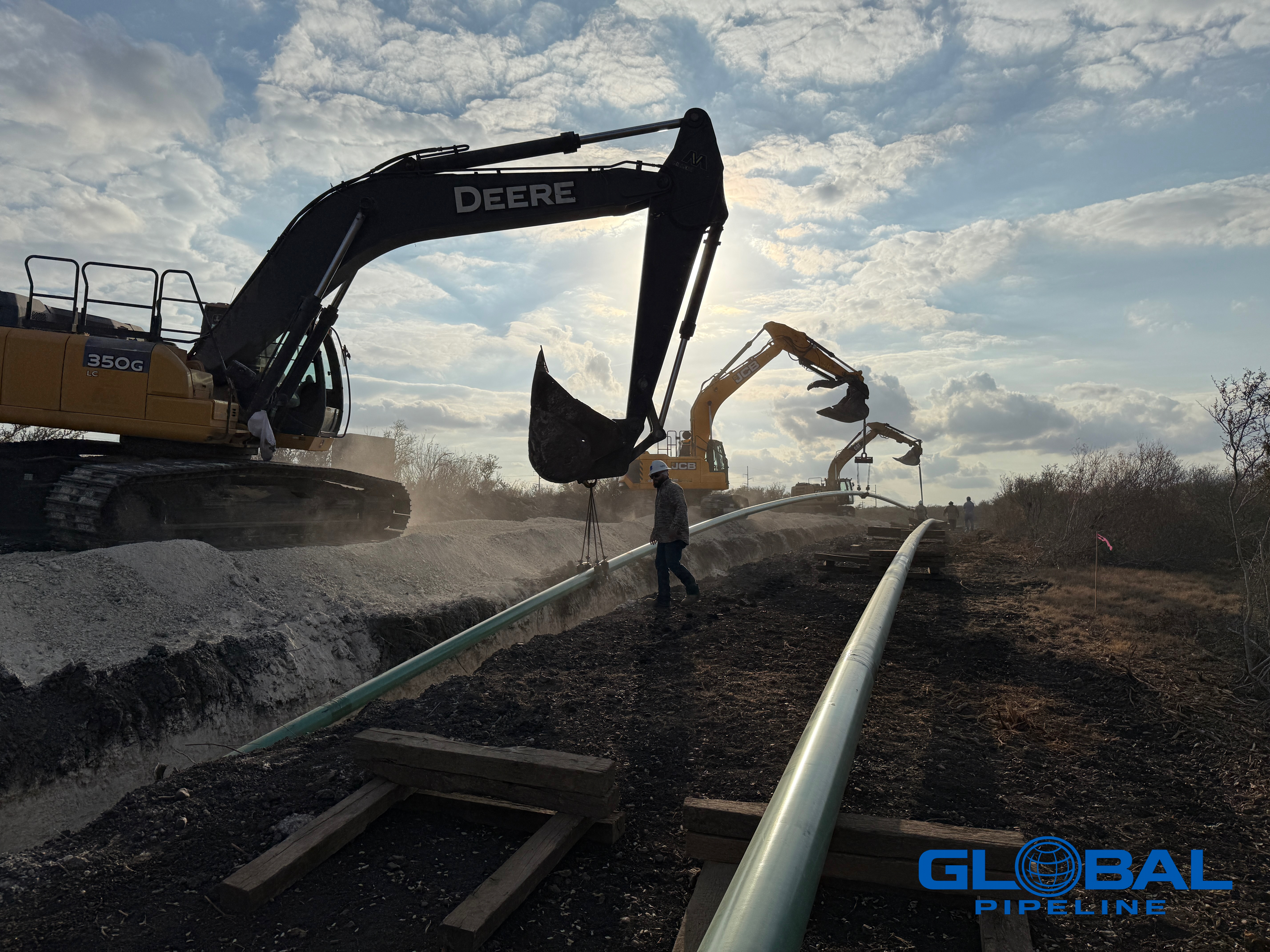
Global Pipeline Operations: Best Practices for Diverse Environments Mar 24, 2026
Efficient pipeline operations start with comprehensive planning and assessment. Before breaking ground, it's essential to conduct a thorough environmental impact assessment. This involves evaluating the geographical, ecological, and socioeconomic factors of the area. By understanding these elements, companies can anticipate potential challenges and adapt their strategies accordingly. For instance, in colder regions where freezing temperatures can affect materials and operational efficiency, pre-emptive measures such as choosing the right materials and insulation methods are vital.
Global Pipeline understands that tailoring techniques to specific environments is key to enhancing operational efficiency. In mountainous regions, for instance, special considerations must be made for the topography and terrain. Techniques such as horizontal directional drilling can minimize environmental disruption and maintain structural integrity through uneven landscapes. Additionally, utilizing advanced technologies like drones for aerial surveys can help in mapping the environment accurately, allowing for better planning and execution of pipeline installations.
Safety is a paramount concern for pipeline operations, especially in remote or difficult-to-access areas. Implementing robust monitoring systems is crucial for detecting leaks or other anomalies early on. Regular maintenance checks, using technologies such as inline inspection tools, can prevent small issues from escalating into major problems. Global Pipeline emphasizes the importance of a prompt response to any detected anomalies to mitigate environmental impacts and maintain the integrity of the pipeline.
Operational efficiency goes hand-in-hand with sustainability. In sensitive environments, Global Pipeline champions eco-friendly practices such as using biodegradable lubricants and minimizing waste during operations. Creating minimal disturbance to the local ecosystem not only aligns with global sustainability goals but also fosters positive relationships with local communities. Engaging with these communities to understand their needs and concerns further promotes a cooperative atmosphere, which is essential for long-term project feasibility.
Adapting to diverse climates is another critical factor for pipeline operations. For projects in arid regions, ensuring a reliable water supply for construction and maintenance activities is essential. Conversely, in tropical regions, handling heavy rainfall and the associated risks of soil erosion requires strategic planning and construction techniques such as reinforced foundations. Global Pipeline’s expertise in tackling these climatic challenges underscores the importance of using both historical data and predictive models to plan effectively.
In conclusion, successful pipeline operations across diverse environments require a combination of strategic planning, innovation, and community engagement. By adopting best practices tailored to specific geographical and climatic conditions, Global Pipeline not only assures operational efficiency but also upholds its commitment to safety and environmental stewardship. Continuously evolving these practices in response to emerging challenges and technological advancements ensures that pipeline operations not only meet today’s needs but also are well-prepared for the future. The commitment to sustainable and efficient operations in diverse environments is what sets Global Pipeline apart as a leader in the industry.
/filters:no_upscale()/filters:format(webp)/media/b032620a-0eec-4d5f-980b-29342db66d5b.jpeg)
/filters:no_upscale()/filters:format(webp)/media/862764d9-e633-456a-bcbb-18847c69cbb4.png)