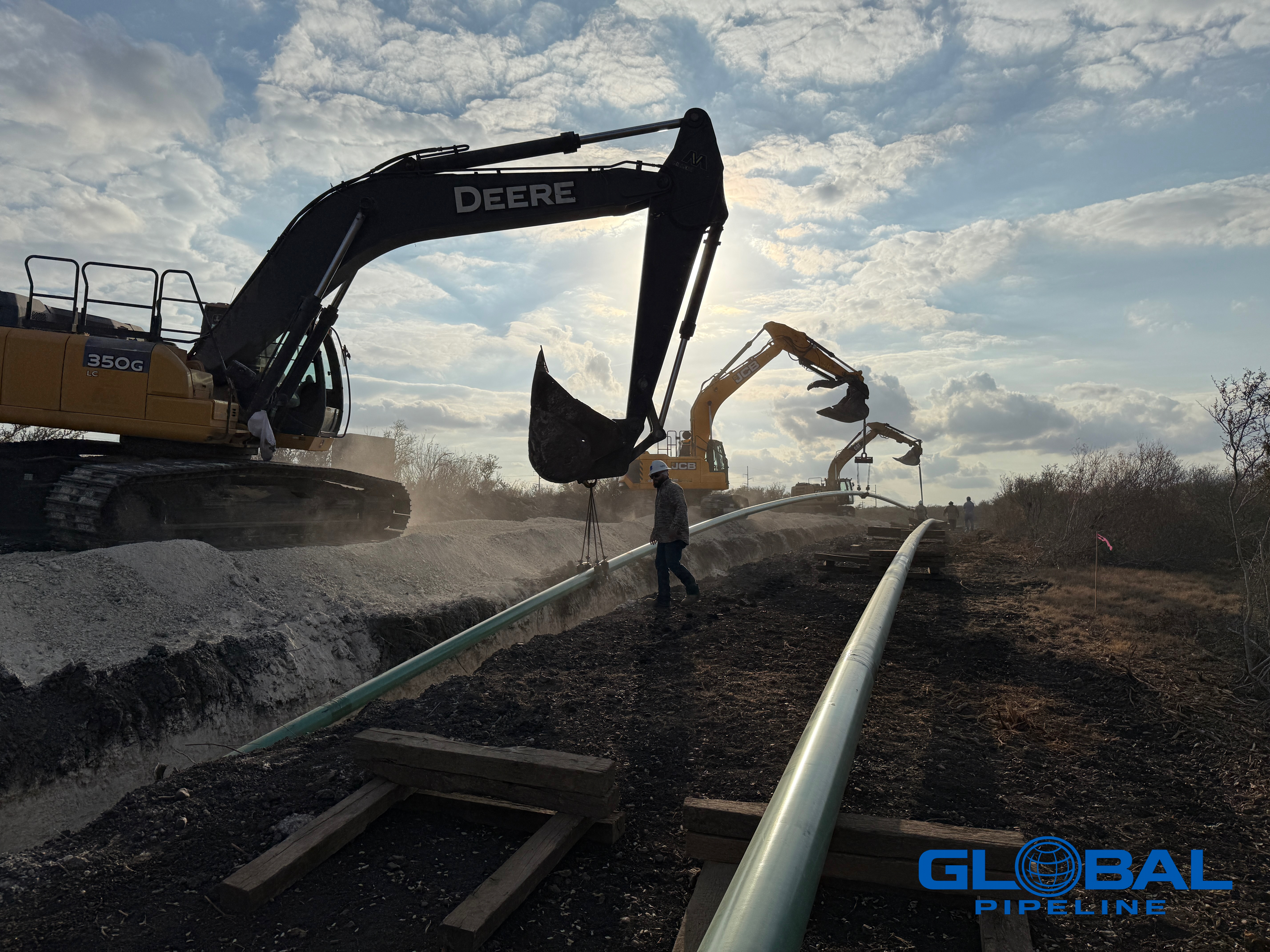
Global Pipeline: Strategies for Effective Cross-Border Collaborations Apr 14, 2026
The modern pipeline industry is fraught with complexities, including regulatory compliance, cultural differences, and logistical challenges. Hence, a robust strategy for cross-border collaboration is crucial. By focusing on key elements such as communication, technology integration, and a deep understanding of local regulations, companies can significantly improve their international project outcomes.
Communication stands at the forefront of successful cross-border collaborations. It is imperative to establish clear communication channels that cater to diverse linguistic and cultural backgrounds. Global Pipeline emphasizes the importance of adopting both verbal and non-verbal communication training for its teams. This includes creating a shared language platform, such as English as the common lingua franca, while also respecting regional languages. Open communication, regular meetings, and feedback loops are vital to ensuring every team member is on the same page.
Embracing technology is another cornerstone of successful cross-border operations. With the advent of advanced digital tools, managing projects across different time zones has become significantly easier. Global Pipeline leverages state-of-the-art project management software that provides real-time updates, efficient resource allocation, and streamlined workflows. Such tools not only facilitate seamless collaboration but also enhance transparency, which is crucial when multiple stakeholders are involved.
Understanding and respecting regional regulations and cultural norms is essential. Each region has its own legal and cultural landscape, which can significantly impact project execution. Global Pipeline invests in thorough regional research and compliance training for its employees. This ensures that all parties involved can navigate local laws effectively, maintaining compliance, and avoiding costly legal setbacks.
Moreover, building a decentralized leadership structure can tremendously benefit cross-border collaborations. At Global Pipeline, empowering local leaders ensures faster decision-making and better adherence to regional nuances. This approach allows for more flexibility and responsiveness, which can be crucial in fast-paced industry environments.
Another important strategy is to foster an inclusive work culture that values diversity and promotes equality. An environment where every individual feels respected and valued encourages collaboration and innovation. Global Pipeline is committed to diversity training and inclusion programs that unite teams from varying cultural backgrounds, creating a cohesive and motivated workforce.
Finally, conducting regular evaluations and feedback sessions is vital for continuous improvement. Through constant assessment of processes and outcomes, Global Pipeline ensures that they not only meet but exceed expectations in their cross-border projects. Implementing feedback from all team members helps identify potential bottlenecks and fosters a culture of continuous growth and learning.
In conclusion, navigating the complexities of cross-border collaborations in the pipeline industry requires a well-rounded strategy. By prioritizing effective communication, leveraging technology, understanding local regulations, and fostering a diverse and inclusive work environment, Global Pipeline sets the standard for international cooperation. These strategies not only ensure operational success but also build lasting partnerships across borders, paving the way for future growth and innovation.
/filters:no_upscale()/filters:format(webp)/media/b032620a-0eec-4d5f-980b-29342db66d5b.jpeg)
/filters:no_upscale()/filters:format(webp)/media/862764d9-e633-456a-bcbb-18847c69cbb4.png)