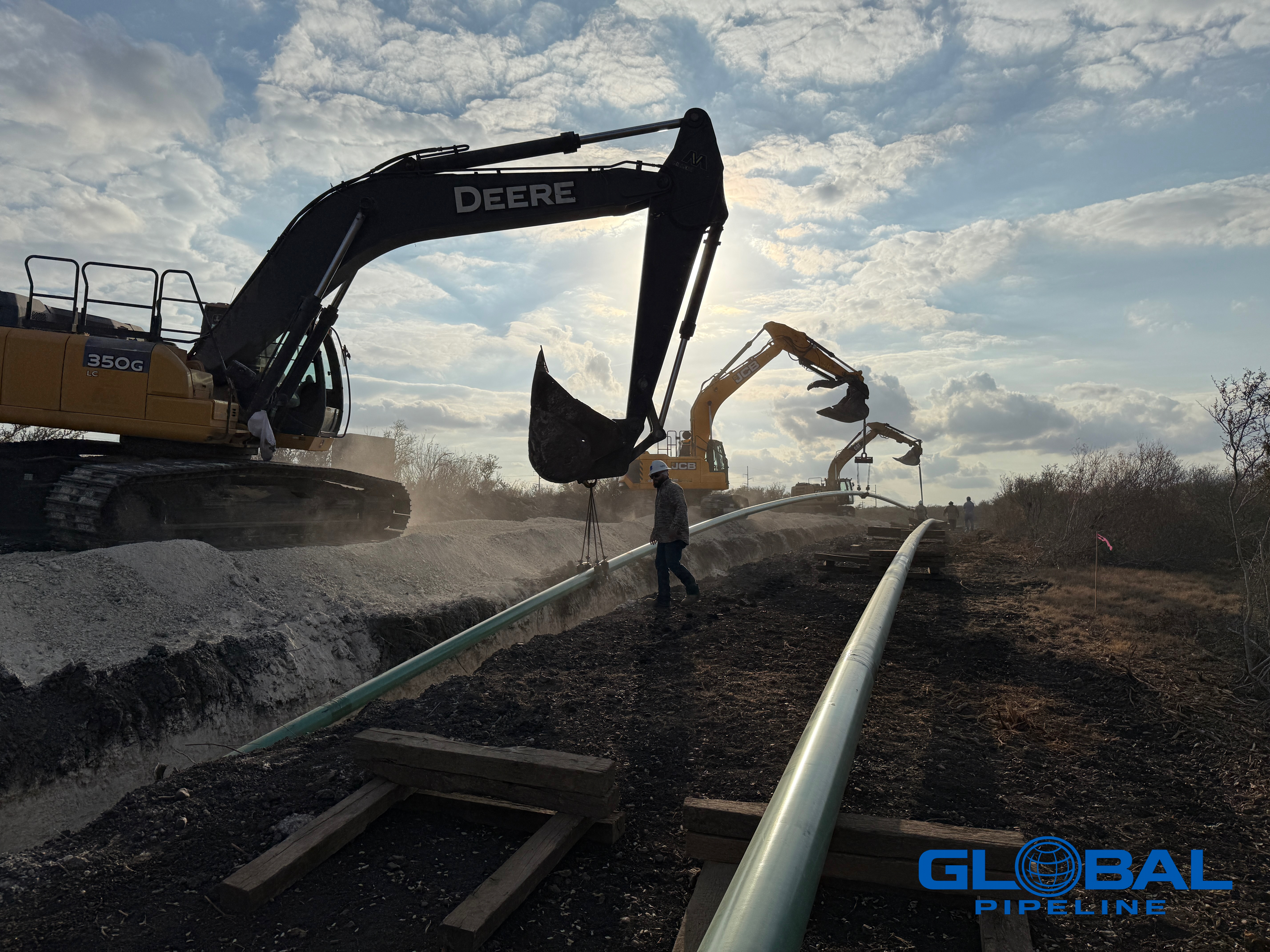
The Future of Pipeline Technology: Trends and Innovations Jan 31, 2026
Innovation in the pipeline service industry is driven by the need for enhanced safety, efficiency, and sustainability. One of the most promising trends is the integration of smart technologies. Smart pipelines make use of sensors and data analytics to monitor conditions in real-time, providing valuable insights into pipeline integrity and performance. This technology allows companies to predict maintenance needs accurately and prevent failures before they occur, reducing downtime and costs.
Automation is another critical trend transforming pipeline operations. Automated systems are increasingly used in controlling pipeline flow, detecting leaks, and performing routine maintenance tasks. By reducing human intervention, these systems minimize the risk of errors and increase operational efficiency. Companies like Global Pipeline are investing in advanced robotics and automation solutions to enhance their service offerings and ensure optimal pipeline performance.
Environmental sustainability is a growing concern in the pipeline industry. Traditional pipeline operations are often associated with significant environmental impact, prompting the sector to explore greener technologies. Innovations such as carbon capture and storage, along with eco-friendly materials, are helping to mitigate the environmental footprint of pipelines. For example, using corrosion-resistant materials can extend the lifespan of pipelines and reduce the frequency of repairs, thus minimizing environmental disruption.
The advancement of artificial intelligence is also set to revolutionize the industry. AI technologies offer the potential to enhance decision-making by processing vast amounts of data more quickly and accurately than humans. Machine learning algorithms can analyze patterns and predict potential issues more effectively, enabling proactive maintenance strategies and optimizing resource allocation.
Another key trend is the development of hydrogen pipelines as part of the global shift towards renewable energy. Hydrogen is emerging as a crucial component in the world's energy transition due to its clean-burning properties. The future will likely see a significant network of pipelines dedicated to the safe and efficient transportation of hydrogen, supporting this renewable fuel's broader adoption.
Lastly, increased collaboration across the industry is paving the way for more robust security measures. With the rise of cybersecurity threats, pipeline operators recognize the importance of safeguarding their infrastructure against cyberattacks. Enhanced cybersecurity protocols, backed by collaborative industry frameworks, are essential for protecting critical pipeline data and ensuring uninterrupted service.
In conclusion, the future of pipeline technology is both exciting and challenging. As the industry embraces these technological trends and innovations, stakeholders can expect to see a significant shift towards more efficient, safe, and sustainable operations. Companies like Global Pipeline are at the forefront of these changes, leveraging new technologies to deliver cutting-edge services that meet the demands of tomorrow. By keeping pace with these advancements, the pipeline industry is set to continue its vital role in global energy and resource management for years to come.
/filters:no_upscale()/filters:format(webp)/media/b032620a-0eec-4d5f-980b-29342db66d5b.jpeg)
/filters:no_upscale()/filters:format(webp)/media/862764d9-e633-456a-bcbb-18847c69cbb4.png)