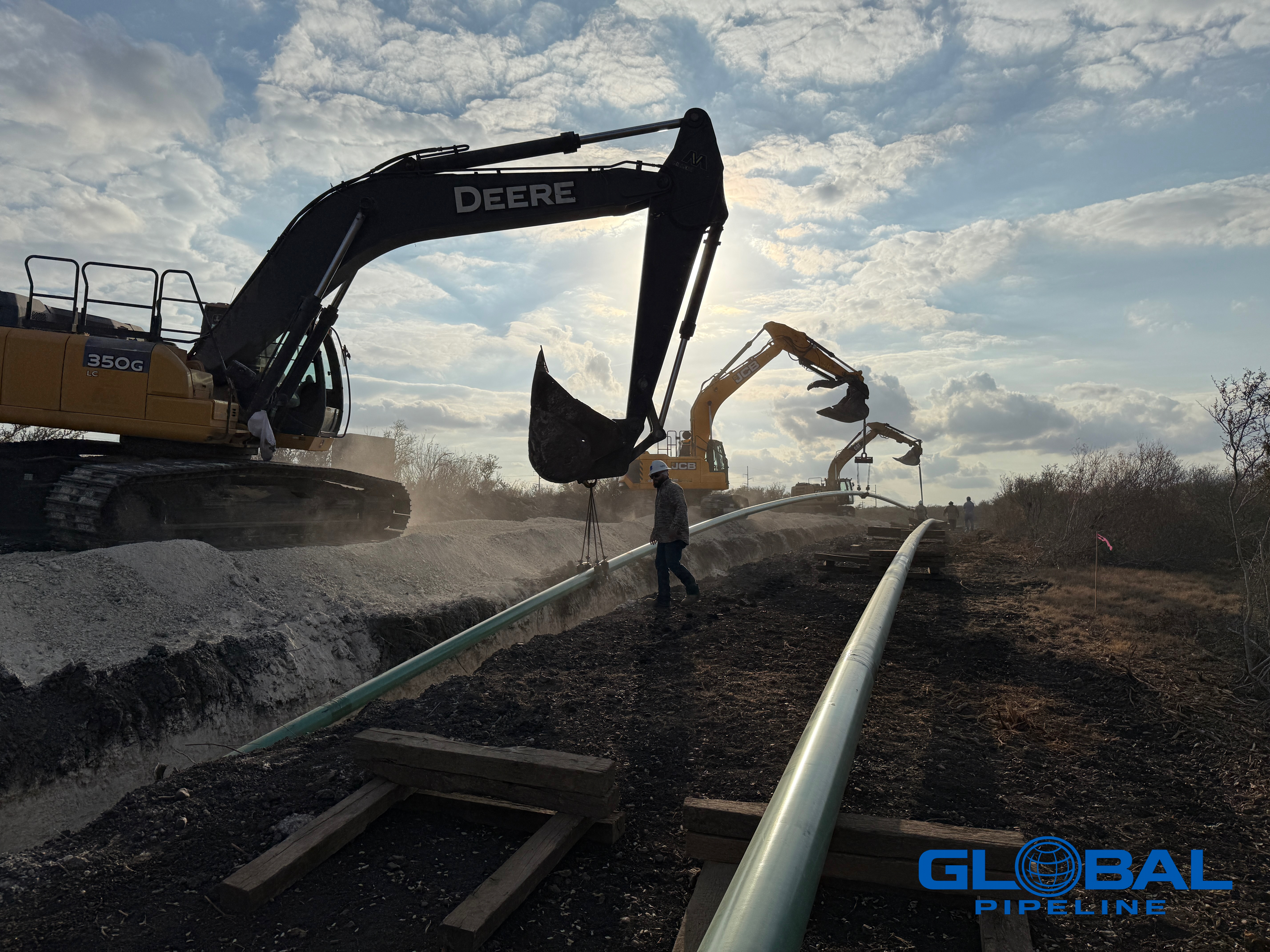
The Impact of Digital Transformation on Pipeline Service Efficiency Feb 26, 2026
Digital transformation in pipeline services refers to the integration of digital technologies into all facets of operations, fundamentally altering how companies like Global Pipeline operate and deliver value to customers. This transformation is not merely about adopting new technologies but about fostering a culture that adapts quickly to change, integrates data-driven decision-making, and continuously seeks efficiencies.
One significant aspect of digital transformation is the implementation of IoT (Internet of Things) technologies. IoT devices, such as smart sensors, can be attached to pipelines to monitor conditions in real-time. These sensors collect data on various parameters like pressure, temperature, and flow rates, providing instant alerts for any anomalies. By using data analytics, Global Pipeline can predict maintenance needs, thereby reducing downtime and avoiding costly emergency repairs. This proactive approach enhances pipeline service efficiency and ensures consistent delivery without disruptions.
Another vital component is the use of advanced analytics. By leveraging big data, pipeline companies can uncover insights that were previously inaccessible. For example, data analytics can help in optimizing route planning to reduce fuel consumption and emissions during pipeline inspections and maintenance. Moreover, predictive analytics can forecast potential pipeline failures, allowing for preemptive measures to be taken, thus minimizing risks and enhancing safety.
Digital transformation also extends to employing cloud-based systems for better resource management and coordination. These systems enable Global Pipeline to manage projects across various geographical locations seamlessly. Cloud platforms facilitate collaboration between teams, ensuring that everyone has access to the latest data and tools. This connectivity allows for a more agile response to emerging challenges, ultimately increasing project efficiency.
Additionally, digital twin technology, a virtual replica of physical pipeline systems, is revolutionizing how maintenance is approached. By simulating different scenarios, engineers can foresee the impact of various factors and determine the best strategies for maintenance before physical interventions are required. This predictive maintenance capability results in lower operational costs and extends the life of pipeline infrastructure.
Cybersecurity is another critical area where digital transformation is making a difference. As pipeline systems become more interconnected, the potential for cyber threats increases. By implementing robust cybersecurity measures, including blockchain technology, Global Pipeline can safeguard its operations from potential cyberattacks, ensuring the safety and reliability of pipeline services.
In conclusion, the impact of digital transformation on pipeline service efficiency cannot be overstated. By adopting IoT, utilizing data analytics, leveraging cloud-based platforms, employing digital twins, and strengthening cybersecurity, Global Pipeline is enhancing operational efficiency and service quality. These innovations not only improve performance but also provide better value to customers, ensuring their satisfaction in an increasingly competitive market.
As Global Pipeline continues to embrace these technological advancements, the company is not only setting a standard for efficiency but also paving the way for a more sustainable and secure future in pipeline services. The digital transformation journey is just beginning, and its potential to revolutionize the industry is immense, promising a new era of growth and opportunity.
/filters:no_upscale()/filters:format(webp)/media/b032620a-0eec-4d5f-980b-29342db66d5b.jpeg)
/filters:no_upscale()/filters:format(webp)/media/862764d9-e633-456a-bcbb-18847c69cbb4.png)